

Why the Employee Healthcare Experience Is the New Standard for Care Quality
Employers have long relied on traditional metrics to measure healthcare quality. Whether it’s Healthcare Effectiveness Data and Information Set (HEDIS) scores, hospital readmission rates, or cost benchmarks, these measure clinical performance and are important markers for care.
While these metrics show effectiveness of care delivery, they don’t capture how care delivery feels. And in today’s landscape, the employee healthcare experience is emerging as a leading indicator of quality.
That’s because an employee’s experience with their provider and care team shapes everything that follows: how they engage with their benefits, whether they return to the wellness center, how well they manage their health, and ultimately, the cost outcomes for their employer.
Where do traditional healthcare metrics fall short?
Some traditional quality frameworks incorporate patient experience through standardized surveys such as the Consumer Assessment of Healthcare Providers and Systems (CAHPS). While surveys like these may capture patient experiences with providers or plans, these largely drive quality improvements and consumer decisions – not whether the patient was satisfied, or whether the care led to positive clinical outcomes. In other words, these inputs do not reflect the full employee healthcare experience that determines whether employees will engage with care in the future.
What’s missing are the everyday moments that influence an employee’s behavior: how easy it is to get an appointment, whether a provider takes the time to listen to their concerns, and how simple it is to navigate services. These factors — convenience in healthcare, trust in healthcare providers, and ease of use — are where satisfaction is shaped and where long-term engagement is attained or lost.
What is the role of experience in healthcare quality?
Your employee’s healthcare experience at their wellness center can be seen as both the starting point and the defining factor of their ongoing engagement with care. Research from Premise Health and an independent market research firm reinforces this point. Across a nationwide survey of 402 adults, focus groups, and interviews with benefits decision-makers, one theme was clear: employees approach healthcare not just as patients, but as consumers. And as consumers, they evaluate their healthcare experience accordingly.
While 73% of survey participants identified “quality of care” as a top factor in their healthcare decisions, their definition of quality went beyond clinical accuracy. For employees, quality also means feeling known, supported, and consistently cared for by a provider they trust. In fact, half of surveyed participants said their ideal provider relationship felt like having a “health partner” — someone who combines expertise with empathy, clear communication, and who empowers them to take control of their health. These expectations are a far cry from HEDIS scores, bloodwork results, or number of preventive screenings performed.
Why does the employee healthcare experience matter?
Experience doesn’t just influence perceptions; it directly impacts outcomes. A growing body of research shows that when patients have better experiences, they are more likely to follow treatment plans, manage their health effectively, and avoid unnecessary utilization. In other words, experience plays a meaningful role in how effectively care translates into healthier behavior and results.
The evidence supporting this connection is compelling. A systematic review published in BMJ Open found 312 positive associations between patient experience and health outcomes, with particularly strong links to treatment adherence and self-reported health and wellbeing. These findings clearly demonstrate that better healthcare experiences can drive better health management and stronger engagement.
The pattern holds true at scale. In a study of more than 2 million patients across nearly 2,500 U.S. hospitals, higher satisfaction, especially related to discharge planning, was associated with lower 30-day readmission rates. This suggests that patients’ views on how staff treat them and plan for their return home can reveal important insights into both quality and outcomes.
What shapes a high-quality healthcare experience?
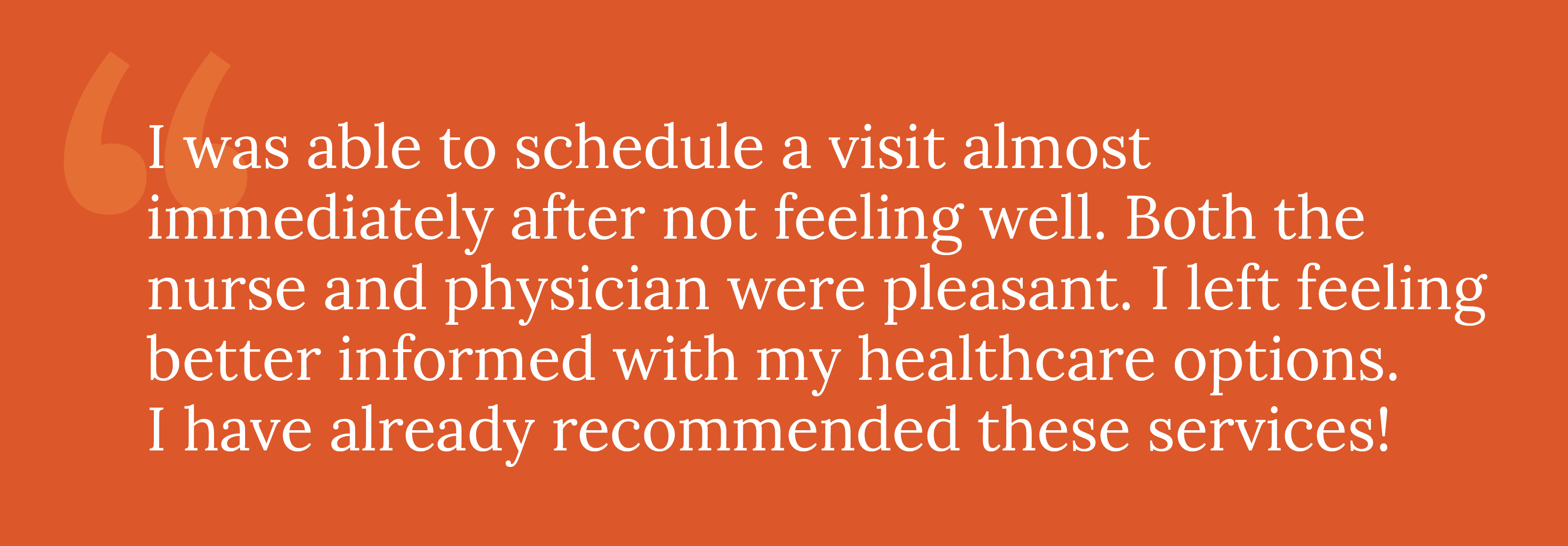
A high-quality employee healthcare experience is built through a combination of interconnected factors such as access, simplicity, trust, and coordination. At the foundation is timely access to care, whether through onsite, nearsite, or virtual settings that allow employees to get the support they need without unnecessary delays. Employee digital health tools enable scheduling and seamless communication from the palm of their hand. Here’s what a Premise member had to say about their experience: “I was able to schedule a visit almost immediately after not feeling well. Both the nurse and physician were pleasant. I left feeling better informed with my healthcare options. I have already recommended these services!”
The human element is also key: having meaningful time with a provider, feeling genuinely heard by the staff they interact with, and building a relationship with the care team over time all contribute to trust. When these interactions are paired with seamless coordination across services, the result is a healthcare experience that is personal, powerful, and relevant to the employee.
Employers looking to strengthen quality of care should also prioritize consistent measurement of experience, just like they do for clinical measures. This includes post-visit feedback that captures how care is perceived, not just how it is delivered. It’s in this kind of feedback that you get powerful testimonials about the patient experience, like one Premise member’s simple but powerful statement, “The team handled my appointment with care.”

How does experience drive engagement?
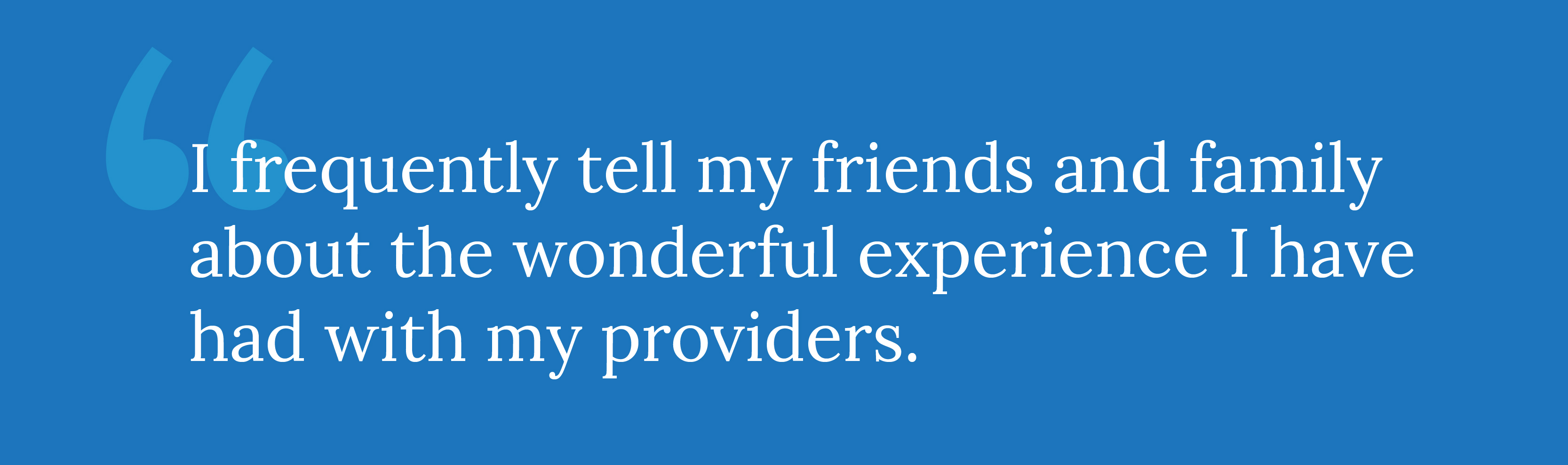
When employees can easily access care and feel confident in their provider, they are more likely to engage early, follow through on care recommendations, and stay connected with their care team over time. That’s because positive experiences drive loyalty. The research supports this: Press Ganey, a leading healthcare company specializing in patient experience measurement and performance analytics, found that patients treated with courtesy and respect by their doctors are 2.7x more likely to recommend their place of care. In turn, that word of mouth can drive higher rates of engagement across a population. One Premise survey respondent shared, “I frequently tell my friends and family about the wonderful experience I have had with my providers.”
The results of a great experience show up in tangible ways: increased use of preventive services, stronger medication adherence, more consistent chronic condition management, and fewer avoidable emergency room visits. Clear communication and established relationships also reduce the likelihood of medical errors and improve coordination across care settings. These all contribute to appropriate utilization, high-quality care delivery, and meaningful cost savings.
How do positive employee healthcare experiences benefit employers?
For employers, positive healthcare experiences drive meaningful engagement, which translates directly into better outcomes and more efficient use of healthcare dollars. When employees actively engage with their wellness center, they are more likely to use preventive services consistently, manage chronic conditions proactively, and address healthcare concerns earlier which, in turn, leads to fewer urgent care visits and costly hospitalizations. In other words, when your employees value and trust their healthcare experience, you benefit from lower overall costs.
The employee healthcare experience also plays a critical role in satisfaction, loyalty, and retention. When healthcare feels accessible and supportive, it becomes a valued part of the overall employee experience rather than just a line item in a benefits package.
Forward-thinking organizations are increasingly prioritizing healthcare partners who deliver not only clinical excellence, but care that their people trust, value, and use. When healthcare feels designed around the employee, quality becomes a tangible and continuous experience — not just something that’s measured after the visit is over.
Ready to transform your employee healthcare experience into a driver of engagement and outcomes? Partner with an organization that delivers care your employees will actually use. Contact us today.
Next on industry insights.

From Policy to Practice – Embedding Health & Wellbeing Into Modern Return to Office Plans
Read the Blog
Men’s Health: What to Know About Ages, Stages, and Testosterone
Read the Blog